Handmade Days Above the Clouds
Morning Light, Simple Tools
01
Bread at Altitude
Flour drifts like early snow as you knead patiently, letting thinner air teach humility and longer rises. Windows glare with glacier light, the dough answering gently to warmth from a drowsy stove. A cracked wooden bowl holds stories of earlier loaves, fingerprints worn into its rim. You listen for bubbles, trust a fingertip test, and promise to share the first slice with whoever knocks, because here, bread is both breakfast and belonging.
02
One Knife, Many Tasks
A single carbon‑steel blade becomes companion and compass, slicing apples, splitting kindling feathers, and trimming twine for a mended fence. You learn its moods, strop it along leather, and respect the grain it reveals in every shaving. In a drawer crowded with inventions, this modest edge outperforms through familiarity. It turns chores into rituals, reminding you that mastery grows not from gadgets, but from time spent listening to steel and the quiet tug of fiber.
03
Pencil Journal by the Stove
Graphite whispers where keyboards would clatter, sketching weather notes and bread timings beside a child’s drawing of yesterday’s peaks. Pages curl slightly from steam and pine smoke, taking on the scent of supper. You copy a neighbor’s proverb, tape in a pressed gentian, and draft a shopping list that mostly reads like a wish for company: candles, flour, oranges to share. Later, these pages guide seasons, proof of days shaped by intention rather than alarms.

Traditions That Hold a Valley Together

Moving Quietly Through the Peaks
Paper Maps and Landmarks
Unfolding a map feels like meeting an elder; creases hold the memory of storms dodged and shortcuts learned. You triangulate with a bell tower, a rock spire, and the smell of hay drying somewhere below. Fingers trace contour lines like gentle ribs of the earth, planning a route that honors weather and daylight. Later, the map returns to your pocket, warmed by the day’s effort, a reliable companion that asks only care and a dry place to rest.
A Walk with a Film Camera
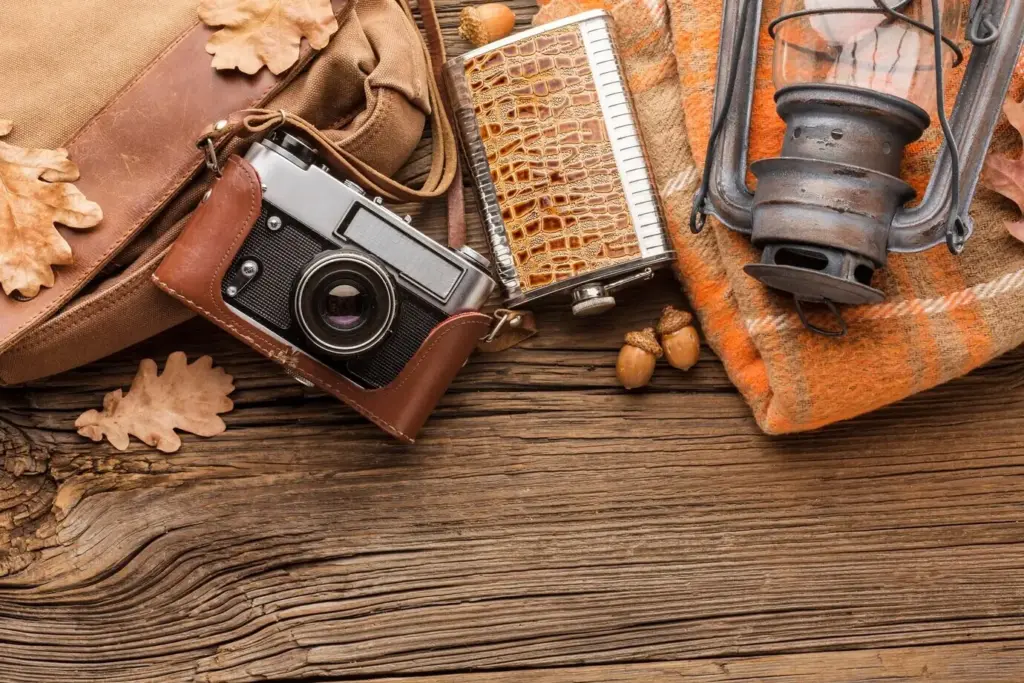
Twelve frames in the roll mean twelve decisions you genuinely stand behind. You wait for a gust to settle, for shadow to inch across a barn door, for a laugh to become contagious. The shutter’s click is so soft that birds barely notice. Back home, you develop negatives beside a steaming teapot, watching images surface like memories choosing clarity. Imperfections become charms, proof that you were present, eyes open, heart steady, time respectfully unhurried.
Listening as Navigation
You learn the valley’s language by ear: water hurries after rain, rockfalls mutter warning, and cowbells knit distance into rhythm. Boots scuff on granite, a crow complains, someone far off splits wood in three even hits. You pause, close your eyes, and count. The route emerges from sound alone. Arriving becomes less about coordinates and more about conversation with place, an exchange that replaces fear with familiarity and gives quiet a job worth keeping.

Learning from the Seasons

Mending Wool Socks with Pride

Restoring a Trusty Hand Plane

Heat That Teaches Patience
Gatherings, Letters, and Shared Tables

Letters that Travel Snow and Sun
A Potluck to Warm the Ridge
Stories by Lamp and Stove
Begin Where You Stand

All Rights Reserved.